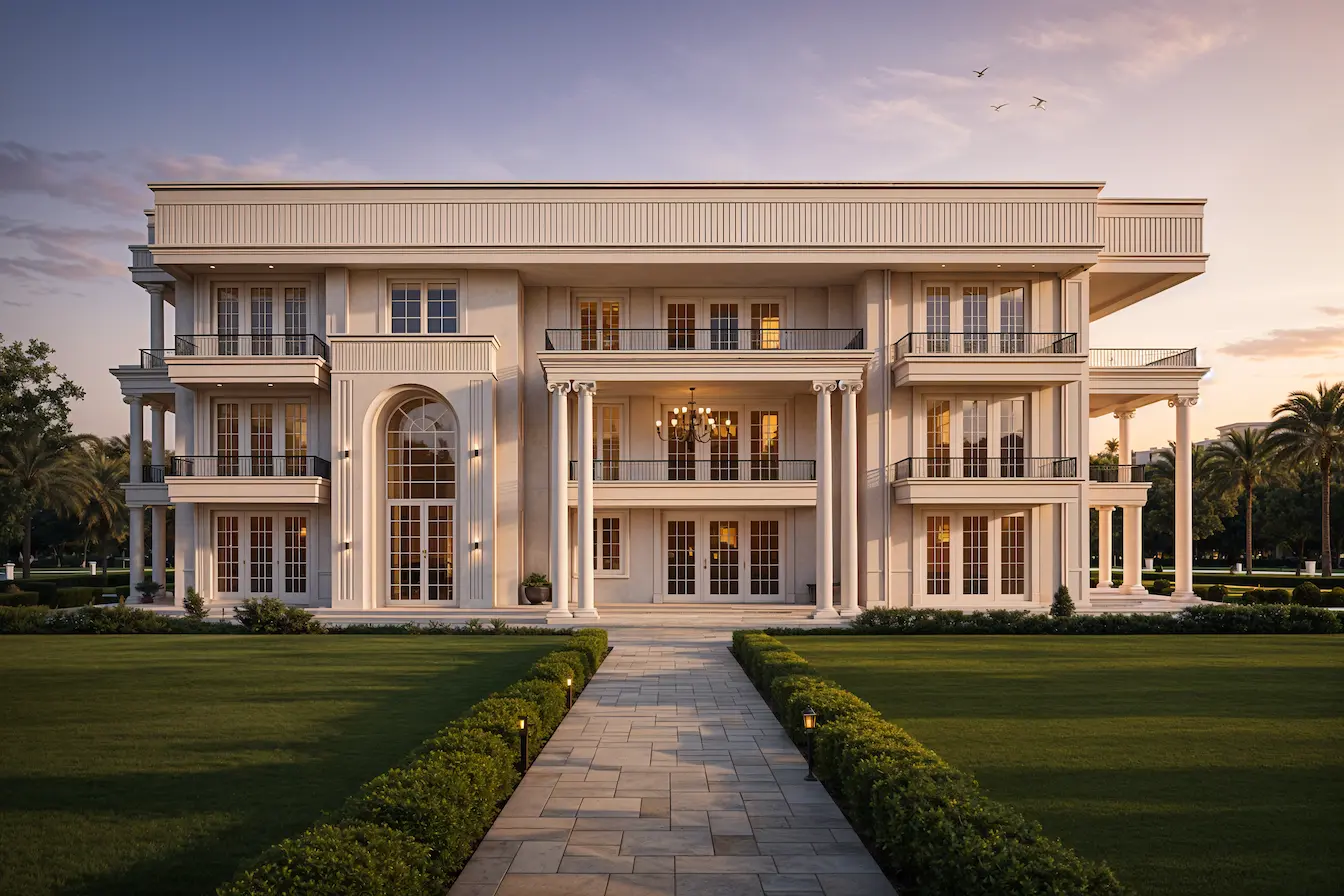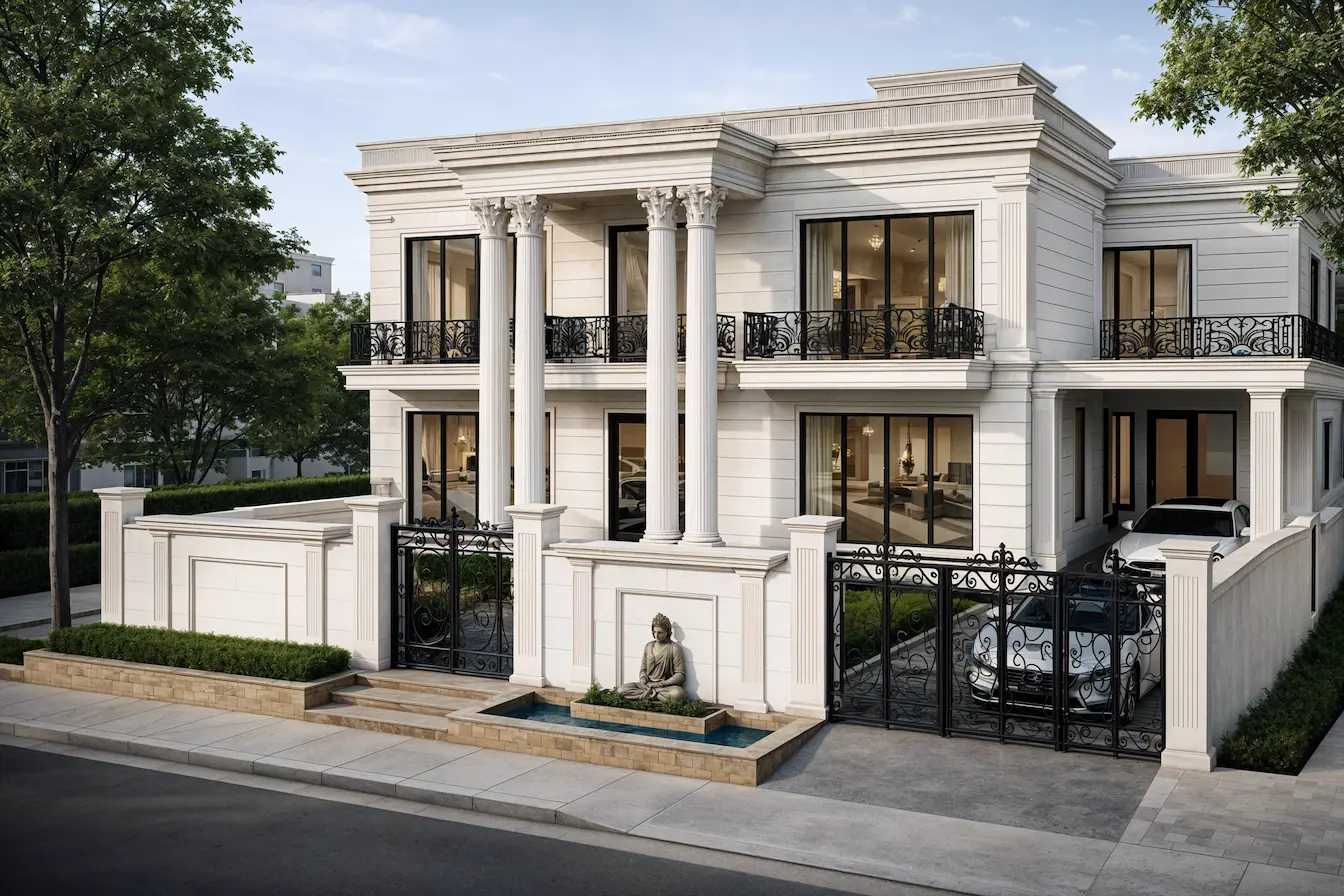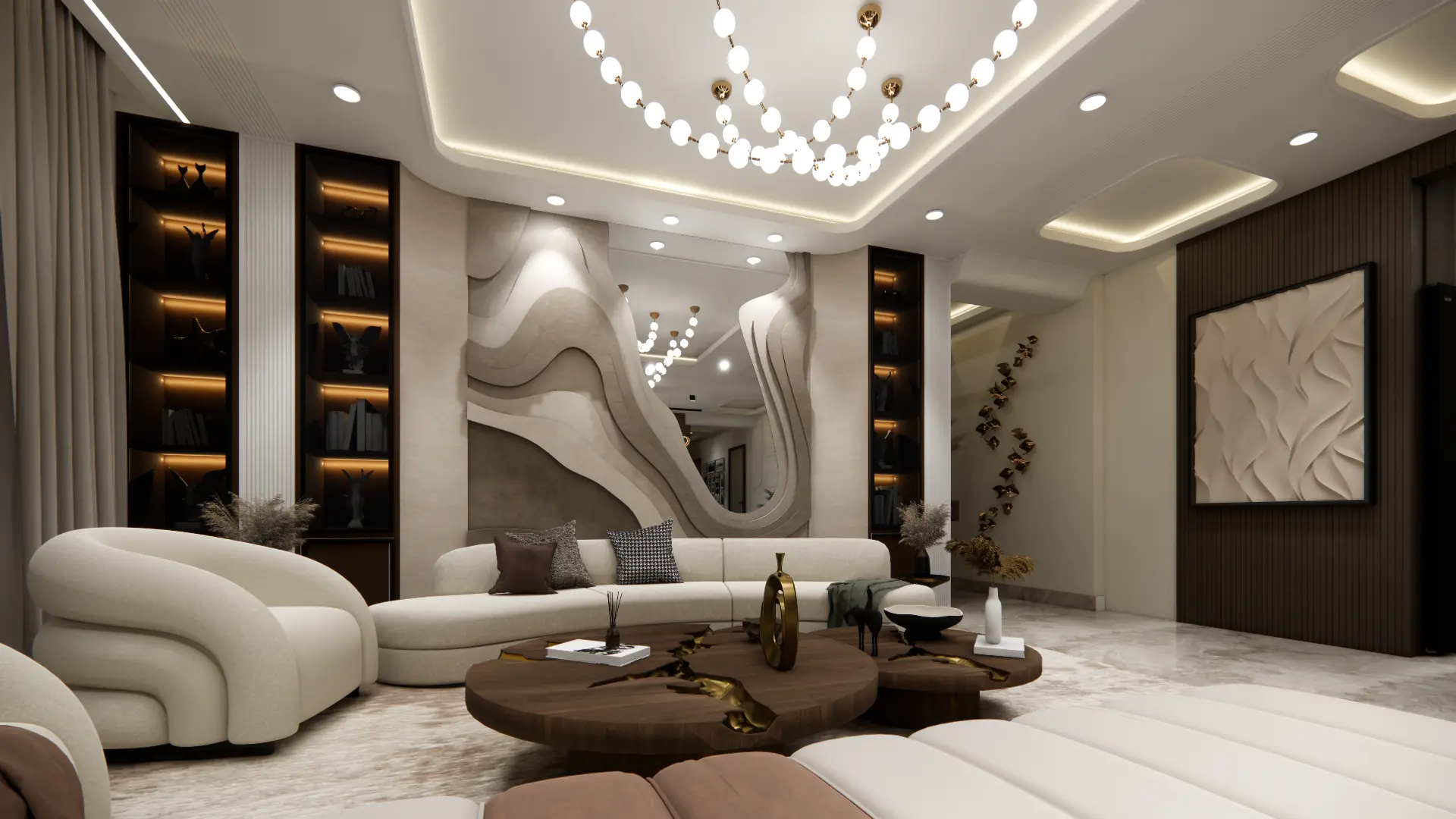
Almost every Indian family building a home asks the same question before the first brick is laid: is it Vastu-compliant? The good news is that most of Vastu, stripped of fear and superstition, is simply good architecture — light, air, orientation and order, organised the way our ancestors understood them.
At our studio, nearly every residential client in Noida, Greater Noida, Delhi NCR and beyond wants their home to follow Vastu. Over hundreds of projects we have learned to treat Vastu Shastra not as a rigid rulebook, but as a design framework that, handled intelligently, produces homes that feel calm, bright and well-ordered — and that families genuinely love living in.
This is a practical, architect's guide to Vastu tips for home construction — what each direction means, the ideal placement for every room, how to read your plot, and how to fix common Vastu defects without breaking a single wall.
What Vastu Shastra Really Is
Vastu Shastra is India's ancient science of architecture and spatial arrangement. At its heart is a simple idea: a building should be in harmony with the five elements — earth, water, fire, air and space (the Panchabhuta) — and with the path of the sun. Each of the eight directions is associated with an element and a quality, and Vastu places each function of the home in the direction that supports it.
Why does so much of it work? Because it is rooted in the climate and the sun. The North-East receives gentle, cool morning light, so it is kept open and used for prayer and water. The South-West takes the harsh afternoon sun and stays warm, so it is given solid mass and used for sleeping and storage. The South-East, where the morning sun is already strong, is the natural home of the kitchen fire. Read this way, Vastu and sound climate-responsive design point in almost exactly the same direction.
Start With the Plot — Orientation, Facing & Slope
Vastu begins long before the floor plan, at the plot itself. A few principles that matter most when you are selecting or evaluating land:
- Facing & entrance — North, East and North-East facing plots are considered the most auspicious because they draw in morning light. A North-East entrance is especially valued. But a good architect can balance any facing — the internal layout matters more than the direction of the gate.
- Slope & level — the land should ideally slope down gently toward the North or North-East, and be higher in the South-West. This lets light and water flow the way Vastu intends.
- Shape & proportion — square or rectangular plots are ideal, with a length-to-breadth ratio of around 1:1 to 1:2. Avoid sharply irregular or triangular plots, or plan carefully around them.
- Open the North-East — keep the North-East corner of the plot lighter, lower and more open, with a lower compound wall, so morning sun reaches the home.
If you are building in Noida or Greater Noida, most sector plots are regular and rectangular, which makes Vastu-compliant planning far easier than people expect — the constraints are usually setbacks and approvals, not the shape of the land.
The Room-by-Room Vastu Direction Map
Here is the quick reference our design team works from when laying out a Vastu-aligned home. Treat it as a guide, not gospel — on a real plot, the best plan is always a sensible balance of these ideals.
| Room / Element | Ideal Direction | Best Avoided |
|---|---|---|
| Main entrance | North, East, North-East | South-West |
| Pooja room | North-East (Ishan) | Under stairs, near toilet |
| Kitchen | South-East (Agni) | North-East |
| Master bedroom | South-West | North-East |
| Living room | North, East, North-West | South-West |
| Bathroom / toilet | West, North-West | North-East, South-West |
| Staircase | South, West, South-West | North-East, centre |
| Underground water tank | North-East | South-East |
| Overhead tank | South-West, West | North-East |
Room by Room, Explained
Main Entrance
The entrance is where energy enters the home, so Vastu gives it special weight. North, East and North-East are the favoured directions. Keep the main door well-lit, clean and unobstructed, make it the largest and most welcoming door in the house, and ensure it opens clockwise into the home. If your entrance falls in a less ideal direction, brightening it, adding a threshold, and keeping it clutter-free does most of the work.
Kitchen
The kitchen belongs in the South-East, the zone of Agni, the fire element. The gas stove should sit in the South-East with the cook facing East while cooking. Keep the sink, water filter and refrigerator away from the stove — water and fire should not share the same corner — ideally toward the North or North-East of the kitchen. Avoid a kitchen in the North-East, which belongs to water and worship.
Master Bedroom
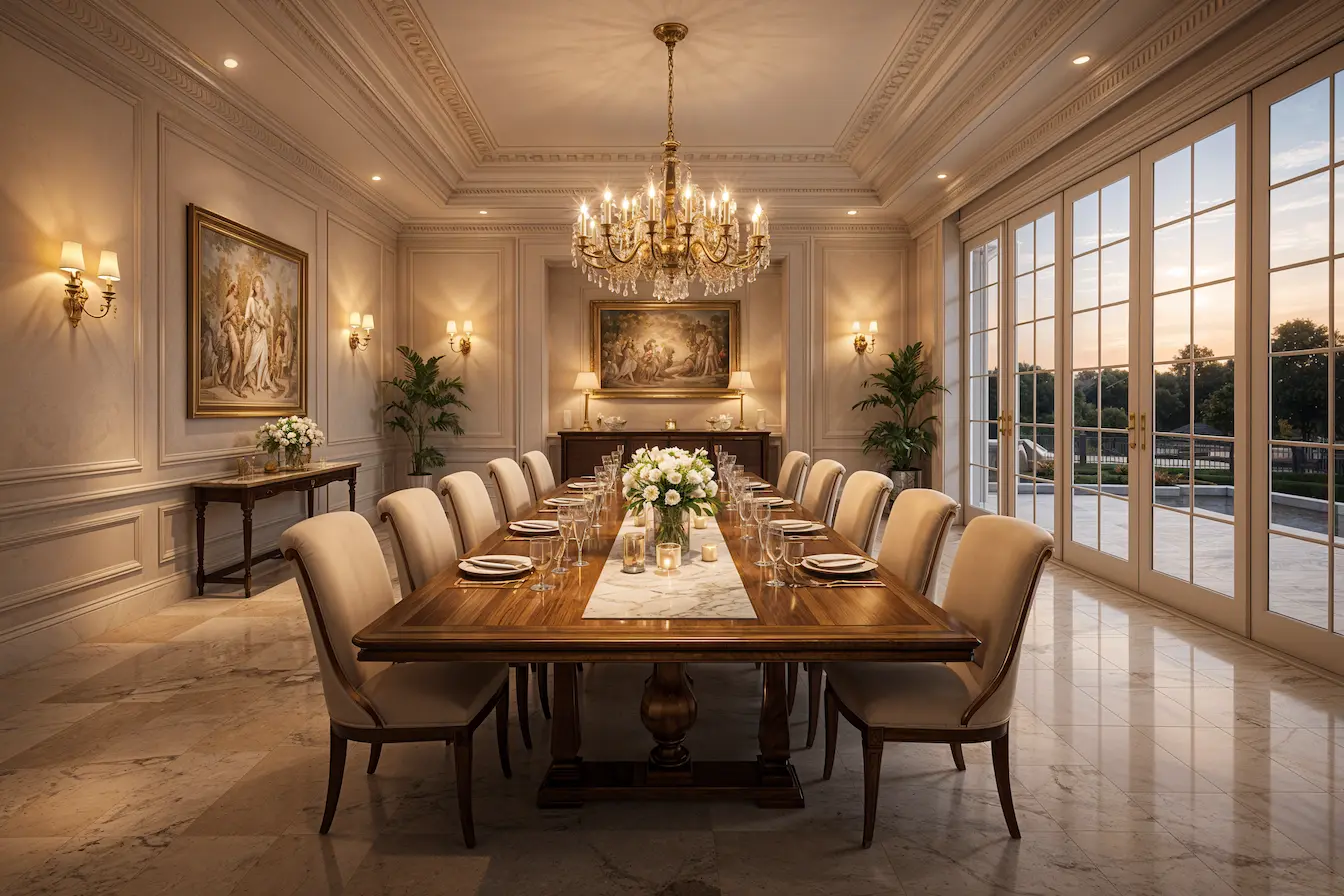
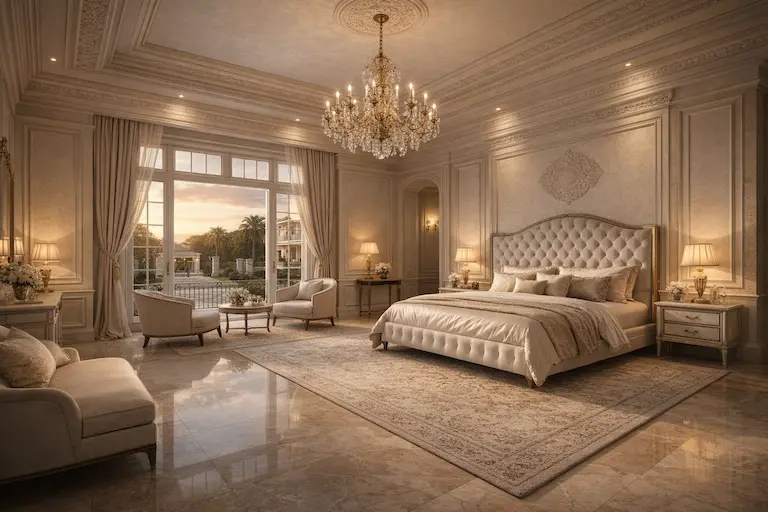
The South-West corner — the most grounded, stable part of the home — is the ideal location for the master bedroom. Sleep with your head pointing South or East for restful sleep and good health, and avoid sleeping with your head to the North. Don't place a mirror directly facing the bed, and keep the room uncluttered. Children's bedrooms sit comfortably in the West or North-West.
Pooja Room
The North-East (Ishan) corner is the sacred heart of the home and the ideal place for a mandir or pooja room. Position the idols so that you face East while praying (the idol faces West). Keep the space clean, well-lit and in calm colours like white, cream or pale yellow. Never place the pooja room inside a bedroom, beneath a staircase, or sharing a wall with a toilet.
Living & Dining
The living room works well in the North, East or North-West, keeping the social heart of the home in the brighter, more public zones. Heavy furniture is best placed along the South and West walls. The dining area sits comfortably in the West or South-East, close to the kitchen.
Bathrooms, Staircase & Water
Toilets are best located in the West or North-West, and kept out of the North-East and South-West. A staircase belongs in the South, West or South-West — never in the North-East or the centre — and traditionally has an odd number of steps. For water, the underground tank or borewell goes in the North-East, while the overhead tank sits in the South-West or West. These placements keep the heavy, the wet and the waste away from the home's most sensitive corners.
The Centre, the Elements & Why It Works
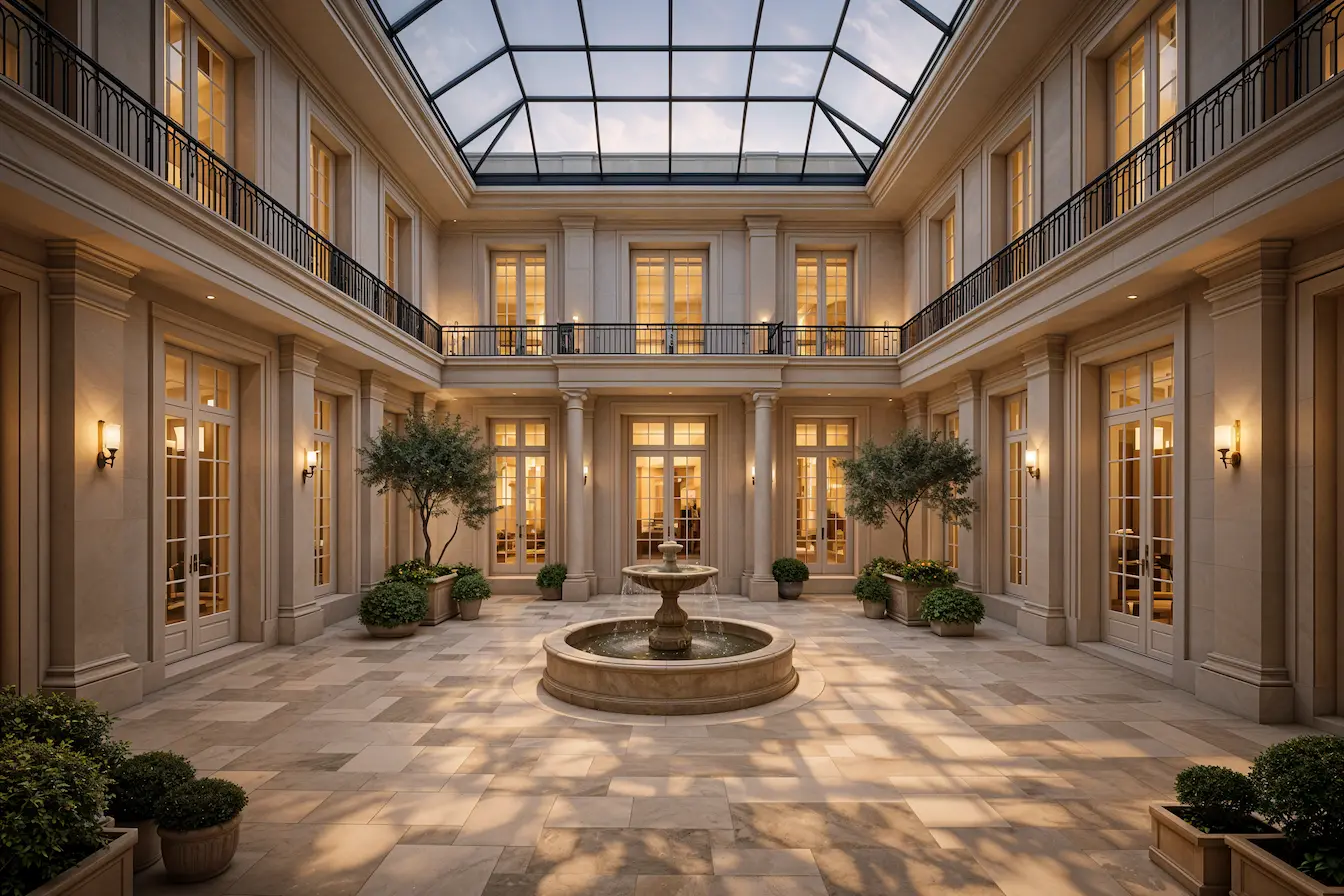
One principle ties the whole system together: the Brahmasthan, the centre of the home. Vastu asks that the centre be kept open, light and free of heavy structure, toilets or staircases — think of it as the home's lungs. In a modern design this becomes a courtyard, a double-height space, or simply an uncluttered central living zone, as in many of the residences across our portfolio of projects.
"We never treat Vastu as a constraint to fight. Nine times out of ten, the Vastu-correct decision — open North-East, solid South-West, kitchen to the morning sun — is also the decision that gives you a brighter, cooler, calmer home. Good Vastu and good architecture are usually the same thing."
Balancing Vastu With Modern Architecture
Here is the honest part most consultants won't tell you: no plot satisfies every Vastu rule perfectly, and chasing 100% compliance often produces awkward, dark or impractical homes. The skill is in prioritising — getting the high-impact placements right (entrance, kitchen, master bedroom, pooja, North-East) and balancing the rest against light, ventilation, family lifestyle and the realities of the plot and municipal approvals.
This is exactly why integrating Vastu from the very first sketch matters. Retrofitting Vastu into a finished builder's plan almost always means compromises that please no one. When Vastu is part of the brief from day one — woven into the architecture and interior design process together — you get a home that is both spiritually settled and genuinely beautiful to live in, like the residences we design across Delhi NCR.
Common Vastu Mistakes (and Fixes Without Demolition)
The most frequent Vastu defects we see in existing homes are: the main door in the South-West, a kitchen in the North-East, a toilet in the North-East, a staircase blocking the North-East, and a cluttered, heavy centre. The reassuring truth is that most of these can be balanced without breaking a single wall:
- Declutter first — the simplest and most powerful remedy of all. Clear the North-East and the centre of the home completely.
- Light it up — a poorly placed entrance or a dark North-East is hugely improved with bright, warm lighting kept on through the evening.
- Use colour and the elements — calming blues and whites in the North-East, earthy tones in the South-West, and a touch of red or orange near a misplaced kitchen fire to strengthen the fire element.
- Mirrors and metals — a mirror can visually "shift" a zone, and a copper strip or pyramid at the threshold is a traditional balancing tool.
- Keep toilets closed — keep bathroom doors shut, place a bowl of rock salt inside, and change it regularly.
If you are building new, of course, the best remedy is simply to get the layout right the first time — which costs nothing extra when it is designed in from the start.
Frequently Asked Questions
Which direction is best for a house entrance as per Vastu?
North, East and North-East are considered the most auspicious directions for a main entrance, because they invite morning light and positive energy, with a North-East entrance especially valued. That said, a well-designed home can succeed with any facing — the internal layout matters more than the entrance direction alone, and South or West entrances can be balanced with good planning, lighting and a clean, welcoming threshold.
Which direction should the kitchen face according to Vastu?
The South-East corner is ideal because it is governed by Agni, the fire element. The gas stove should sit in the South-East with the cook facing East, while the sink and water source are best placed away from the stove, toward the North or North-East of the kitchen. Avoid a kitchen in the North-East, which is reserved for water and worship.
Which direction should you sleep with your head as per Vastu?
Sleep with your head pointing South or East for restful sleep and good health. The master bedroom itself is best located in the South-West corner of the home, which is associated with stability and strong relationships. Avoid sleeping with your head pointing North.
Where should the pooja room be located in a home?
The North-East (Ishan) corner is the sacred zone of the home and the ideal place for a pooja room or mandir. The idol should face West so that the worshipper faces East while praying. Keep the room clean and well-lit, and avoid placing it inside a bedroom, under a staircase, or sharing a wall with a toilet.
Can Vastu defects be corrected without demolition?
Yes. Most Vastu doshas can be balanced without breaking walls — through decluttering, light, colour, mirrors, plants and materials. Keeping the North-East light and open, brightening a poorly placed entrance, using the right colours in each zone, and keeping toilet doors closed are common no-demolition corrections. Decluttering is the simplest and most effective remedy of all.
What are the key Vastu guidelines to follow during house construction?
The Vastu (also spelled Vaastu) guidelines that matter most during house construction are: orient the plot and main entrance toward North, East or North-East; place the kitchen in the South-East with the stove facing East; keep the master bedroom in the South-West with the bed head pointing South or East; reserve the North-East corner for the pooja room and keep it open and uncluttered; and route staircases and heavy structures toward the South or West. Planning these at the construction stage, before walls go up, avoids costly no-demolition fixes later.
A Home That Feels Right
Vastu, at its best, is not about fear. It is about building a home that is bright where it should be bright, grounded where it should be grounded, and ordered in a way that quietly supports the people who live in it. Get the big placements right, balance the rest with good design, and you end up with a house that simply feels right the moment you walk in.
If you are planning a new home in Noida, Greater Noida, Delhi NCR or anywhere in North India and want a design that honours Vastu without sacrificing light, space or modern living, talk to our studio. We integrate Vastu into every residential project from the very first sketch — so your home is correct, beautiful, and genuinely yours.